Are you getting quotes for boxes that are all over the place? It’s frustrating and makes you wonder what the real price should be. This confusion can lead to costly mistakes.
A cardboard box can cost anywhere from a few cents to hundreds of dollars. The final price is not just about the cardboard itself. It depends heavily on the design complexity, printing, finish, order quantity, and the hidden quality controls that prevent costly problems down the line.
Trying to pin down a single price for a "cardboard box" is like asking for the price of a "car." It’s impossible without more details. A simple shipping box has a very different job, and price, than a luxury gift box for a high-end spirit. The key is to stop looking for a low price and start a conversation about creating value. Back in 2009, I was just starting out and joined a bid. The client sent the exact same design to five suppliers. The quotes came back ranging from $0.12 to $0.35 per box. After we won the contract, the client told me, "I didn’t pick the cheapest price. I picked the only company that explained exactly where every penny went." That has been my guiding principle for over 15 years. Transparency is the only way to find true value. Let’s break down what really goes into the price of your box.
What is the average price of a box?
You see prices move from $0.50 to $50 and wonder what a fair price is. Choosing wrong can hurt your budget or your brand. The price simply reflects what the box is meant to do.
There is no useful "average price." A basic mailer might cost under a dollar, while a custom-printed cosmetic box could be several dollars. Instead of averages, focus on the value your box must deliver, as this directly determines its features and, therefore, its cost.

I often explain box pricing with my "Iceberg Theory1." The 10% you see above the water is the visible cost: the paper, the ink. But the 90% below the water is where the real value—and potential risks—are hidden. This is the difference between a simple cost and a long-term investment. Just last year, a brand chose a supplier because their box was $0.03 cheaper. That tiny saving resulted in over $65,000 in damage claims when the boxes failed during shipping. The hidden costs are always more expensive.
To make this clear, think about the different jobs a box can do. I keep a few examples in my office to show clients.
| Box Type | Typical Cost Range (USD) | Primary Purpose |
|---|---|---|
| Basic Shipper | $0.20 – $1.50 | Product Protection |
| E-commerce Mailer | $0.80 – $4.00 | Unboxing Experience |
| Retail / Gift Box | $3.00 – $30.00 | Brand Value & Social Sharing |
| Collector’s Edition | $30.00 – $300.00+ | Emotional & Memorabilia Value |
A tea company I worked with is a perfect case study. They increased their packaging cost2 from $0.15 to $1.20 per box. Their unit cost went up, but their customer repurchase rate jumped by 42%. Why? Because customers started reusing the beautiful boxes as secondary gifts, keeping the brand in front of new people. The box became a marketing asset, not just an expense.
What is the average cost of cardboard?
You’re trying to set a budget, but raw material costs seem to change without warning. This makes planning difficult and risky. You can time your purchases better by understanding the market’s seasonal rhythm.
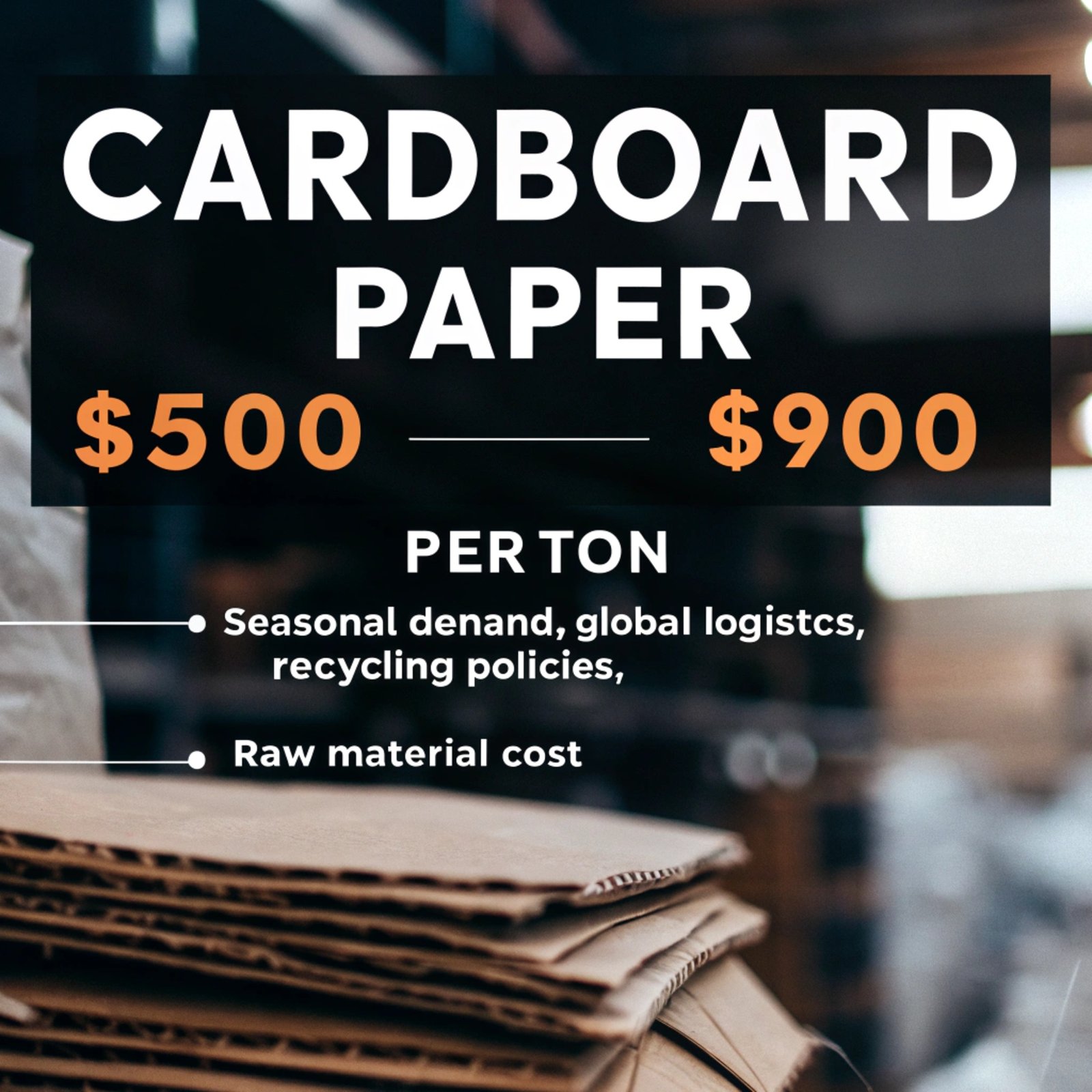
The raw cost of cardboard paper fluctuates widely, from around $500 to over $900 per ton. This price depends on seasonal demand, global logistics, and recycling policies. This raw material cost is a major, but not the only, factor in your final box price.
My mentor used to talk about "paper industry weather." He taught me to see the patterns in the market. Understanding this rhythm helps my clients save a lot of money.
The Four Seasons of Paper Pricing
- Spring (Mar-May): Prices start to rise. Back-to-school and mid-year sales events increase demand for packaging.
- Summer (Jun-Aug): Costs often climb. Rainy seasons can impact the collection and quality of recycled paper, tightening supply.
- Fall (Sep-Nov): This is the peak. Holiday season preparations create a massive demand surge, and prices hit their highest point.
- Winter (Dec-Feb): Prices often soften. Factory production slows for holidays, creating the best window for negotiation and stocking up.
In 2021, I saw the signs of a major price hike coming. I advised a large e-commerce client to purchase their full year’s supply of paper in January. It tied up some cash, but they avoided a massive 38% price increase that hit the market a few months later. When they did the math, that one piece of advice had saved them over $300,000. It’s not just about buying paper; it’s about buying paper smartly. We also actively find ways to lower costs without sacrificing quality, using structural design to increase material utilization from 78% to over 90% or using new techniques to make thinner paper just as strong.
Conclusion
The best price is never just the lowest number. It is the cost that delivers the most value and security for your brand over its entire lifecycle. A true partner helps you find that value.